
Furniture Movers in Dubai
Furniture movers in Dubai are judged on one thing: whether every piece arrives in the condition it left in. Moving an apartment or villa here involves more than loading boxes onto a truck. The physical handling of individual furniture pieces—protecting polished surfaces, disassembling complex frames, and navigating tight building corridors—determines whether your belongings arrive undamaged. Understanding how specific items are handled helps you select the right services for your move.
Furniture moving in Dubai involves protecting items before they are lifted, disassembling oversized pieces correctly, and navigating tight building corridors or lifts. Professional furniture transport relies on specialised materials—such as thick padded blankets, corner protectors, and heavy-duty stretch film—to prevent impact damage, dust accumulation, and structural strain during transit.
Wrapping and Protecting Furniture Before the First Lift
Professional furniture moving service providers in Dubai follow a strict rule: every item must be wrapped and secured inside the room before it is moved toward a doorway. Moving unwrapped timber, glass, or upholstered furniture through narrow entryways risks scuffing walls and scratching surfaces.
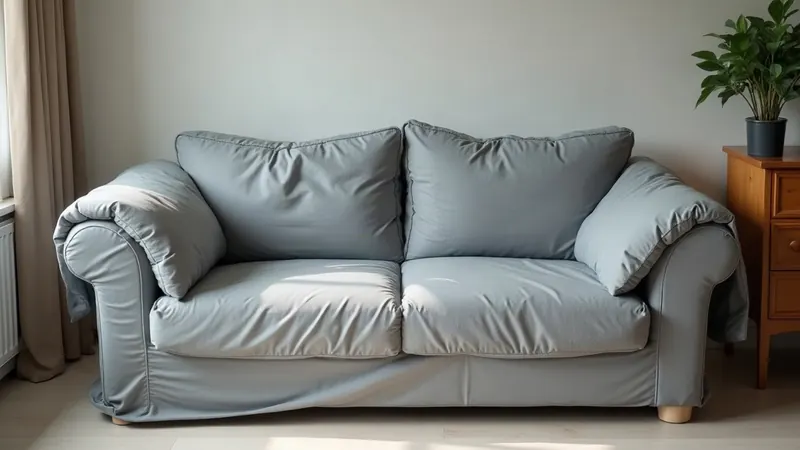
Different materials require specific protective layers:
- Timber and Veneer Finishes: Covered with thick, padded moving blankets made from woven cotton blends. These absorb impacts and prevent scratches. Blankets are secured with heavy-duty packing tape, ensuring the tape adheres only to the fabric, never directly to polished wood or lacquer.
- Upholstery and Fabric Couches: Wrapped in clear, industrial-grade stretch film. The film creates a tight barrier against dust, moisture, and grime during loading and transit.
- Leather Seating: Wrapped first in breathable paper or cotton blankets, followed by a lighter outer layer of film. Applying plastic stretch film directly to genuine leather in high temperatures can trap condensation and mar the finish.
- Glass Tops and Mirrors: Protected using rigid corrugated cardboard sheets, edge protectors, and heavy bubble wrap. Glass panels must be moved and loaded vertically rather than laid flat to reduce the risk of flexing fractures.
Edge and corner protection is applied to dining tables, sideboards, and heavy desks before wrapping. Hard plastic or reinforced cardboard corner caps absorb shocks if an item light touches a doorframe or lift wall during transport.
Disassembly Rules: What to Dismantle and What to Leave Intact
Disassembling large furniture makes transport safer and prevents structural strain on joinery. However, taking apart the wrong piece can permanently ruin it. Experienced furniture movers in Dubai evaluate each item before using a screwdriver or Allen key.
Items That Should Always Be Dismantled
Bed frames, large dining tables, modular sectional sofas, and multi-unit wall desks are built to be taken apart. Removing table legs lowers the centre of gravity and prevents leverage forces from snapping joints during tight turns. Sectional sofas must be unbolted into individual units to fit through standard doorway frames. Hardware such as bolts, dowels, and shelf pegs should be sealed in clear bags and taped securely to the main furniture frame.
Items That Should Not Be Dismantled
Older or low-cost flat-pack wardrobes, book cabinets, and shelving units made from chipboard or medium-density fibreboard (MDF) are prone to damage during disassembly. Particleboard relies on factory-inserted cams and screws that bite into compressed wood fibres. When these fasteners are backed out after years of standing, the internal wood structure crumbles.
Reassembling an older flat-pack wardrobe often results in loose joints, misaligned doors, and lost stability. If a flat-pack piece is too large to move intact, it must be taken apart with extreme care, and you should anticipate that reassembly may require additional brackets or wood glue.
Glass Shelves and Internal Components
Display cabinets, sideboards, and entertainment centres should have all internal glass shelves, loose partitions, and drawers removed before transport. Moving a cabinet with loose drawers inside causes internal impacts that can pop back panels off or shatter glass doors.
Handling Heavy, Awkward, and High-Risk Items
Certain items require specialized lifting gear, additional personnel, and specific handling techniques. When arranging for heavy furniture movers in Dubai, platforms connect you with teams equipped to manage structural loads safely.
| Item Type | Key Handling Challenge | Transport Requirement |
|---|---|---|
| Marble Dining Tables | High weight, extreme rigidity, prone to hairline fractures | Transported vertically on edge; never laid flat or supported solely at the centre |
| Safes & Heavy Fireproof Chests | High point-load weight that can crack floor tiles | Heavy-duty stair dollies, floor protection runners, and multi-mover rigging |
| Treadmills & Gym Equipment | Unbalanced weight distribution and electronic components | Folding frames locked, console electronics padded, moving arms strapped down |
| American-Style Fridges | Wide profile and sensitive cooling coils | Door removal often required; upright transport to protect compressor oil |
| Large Wall Mirrors | Torsional stress during lifting causing glass flex | Encased in rigid wooden or corrugated frames and strapped flat against truck walls |
Pianos represent a category of their own. An upright or grand piano contains thousands of moving mechanical parts under intense string tension. Moving a piano requires dedicated piano shoes, heavy-duty webbing straps, and specialized ramps. Standard residential moving teams should not attempt piano transport without specialist equipment and specific experience.
Measuring Access Routes Rather Than Just the Furniture
A common issue during furniture shifting Dubai moves occurs when an item fits easily into the truck, but fails to pass through a door or hallway turn at the destination. Measuring the piece is only the first step; you must measure every step of the path it will travel.
Key access points to measure before moving day include:
- Internal Doorways: Measure the narrowest width of the frame, taking door handles and trim into account.
- Corridor Turning Radiuses: A long couch or dining table may fit down a hallway but fail to make a 90-degree turn into a bedroom door.
- Lift Car Dimensions: Measure the height, depth, and door opening width of the service lift. Diagonal depth inside the lift car is often critical for tall wardrobes or long sofa bases.
- Stairwell Clearance: If items cannot fit into the lift, measure stairhead clearance, landing widths, and overhead fixtures along the stairwell.
When requesting a quote through MoversInDubai.org, providing detailed access information—such as corridor turns or narrow lift doors—helps matched service providers assign the correct team size and bringing appropriate equipment like hoisting straps or external ramps.
In cases where large furniture items cannot fit through internal building routes, alternative methods such as balcony hoisting using manual pulley systems or mechanical lifts may be necessary. Always confirm with your building management whether external hoisting is permitted on the property.
Retail Store Deliveries versus Moving Existing Household Goods
Not every furniture transport job involves a full residential move. You may purchase a single sofa from a showroom, collect a second-hand dining set, or require office furniture shifting for a new workspace.
Transporting a newly purchased store item and moving your existing household furniture are handled and quoted differently:
Single-Item Store Pickups
Delivery of single pieces involves direct loading at a retail showroom or warehouse, point-to-point transport, and offloading at your residence. Because the item is often already boxed flat or packaged for sale, packing labor is minimal. The service focuses strictly on vehicle space and transport time. When sending your details for a single-item delivery quote, specify whether the item is pre-packed or fully assembled so transport providers allocate the correct vehicle size.
Moving Owned Household Furniture
Moving lived-in furniture requires full on-site preparation. Furniture must be cleared of contents, dismantled, wrapped in protective materials, safely extracted from populated rooms, and reassembled at the destination. The labor time, quantity of protective wrapping materials, and crew coordination required for owned furniture make this a comprehensive service compared to a simple transport pickup.
Commercial and Office Furniture Handling by Furniture Movers in Dubai
Commercial relocations demand specialized techniques to handle modular office setups. Platforms for office furniture movers in Dubai connect you with services accustomed to dismantling, transporting, and reassembling commercial fixtures:
- Modular Workstations and Cubicles: Workstation clusters require systematic labelling of power channels, partition screens, and desk surfaces so they can be reassembled in the correct layout at the new office.
- Conference Tables: Boardroom tables often feature long solid timber, glass, or stone tops that require four to six movers to lift evenly, preventing structural sagging or joinery failure.
- Lateral Filing Cabinets: Steel filing units must be emptied completely before moving. Transporting full filing cabinets warps the steel casing, destroying the alignment of the drawer runners.
Proper physical handling of your furniture protects your investment and ensures a smooth transition to your new space. By understanding protection standards, disassembly limits, and space measurements, you can outline your precise requirements when requesting a quote for your upcoming move.
Frequently asked questions
Can I move just a few pieces of furniture rather than a whole home?
Yes. Part-load and single-item moves are a normal service, priced on the vehicle and crew time your pieces actually need rather than on a whole-home basis.
Will movers dismantle furniture that will not fit through the door?
Usually, for standard beds, wardrobes and dining tables. Some pieces should not be dismantled at all — older flat-pack units in particular often do not survive reassembly. A good crew will tell you that before they start, not after.
How is fragile furniture protected in transit?
Blankets and film for upholstery and timber, corner protection on edges, and separate flat-packed protection for glass and mirrors. Glass tops and mirrors are normally removed and wrapped separately rather than moved attached to the furniture.